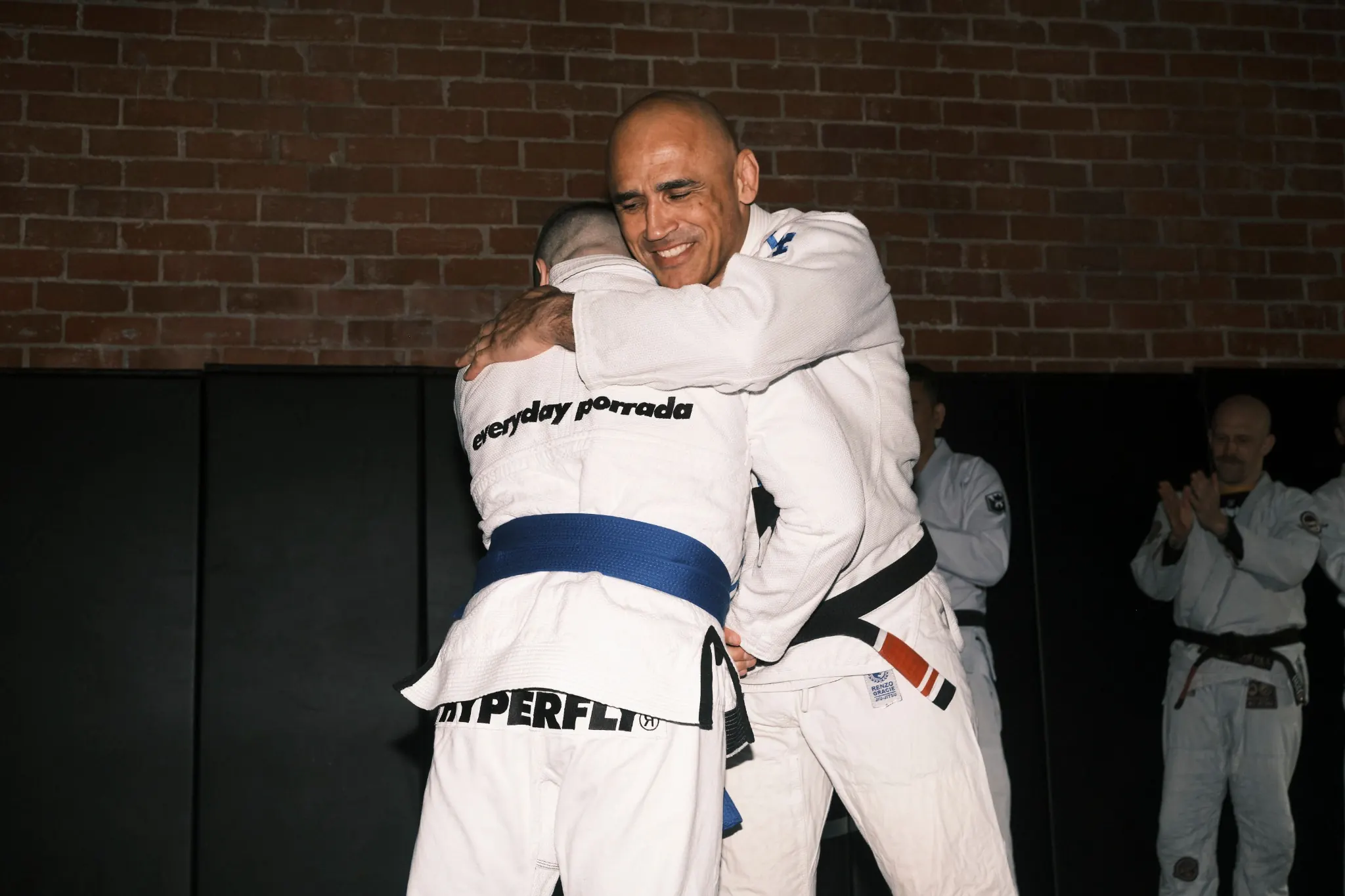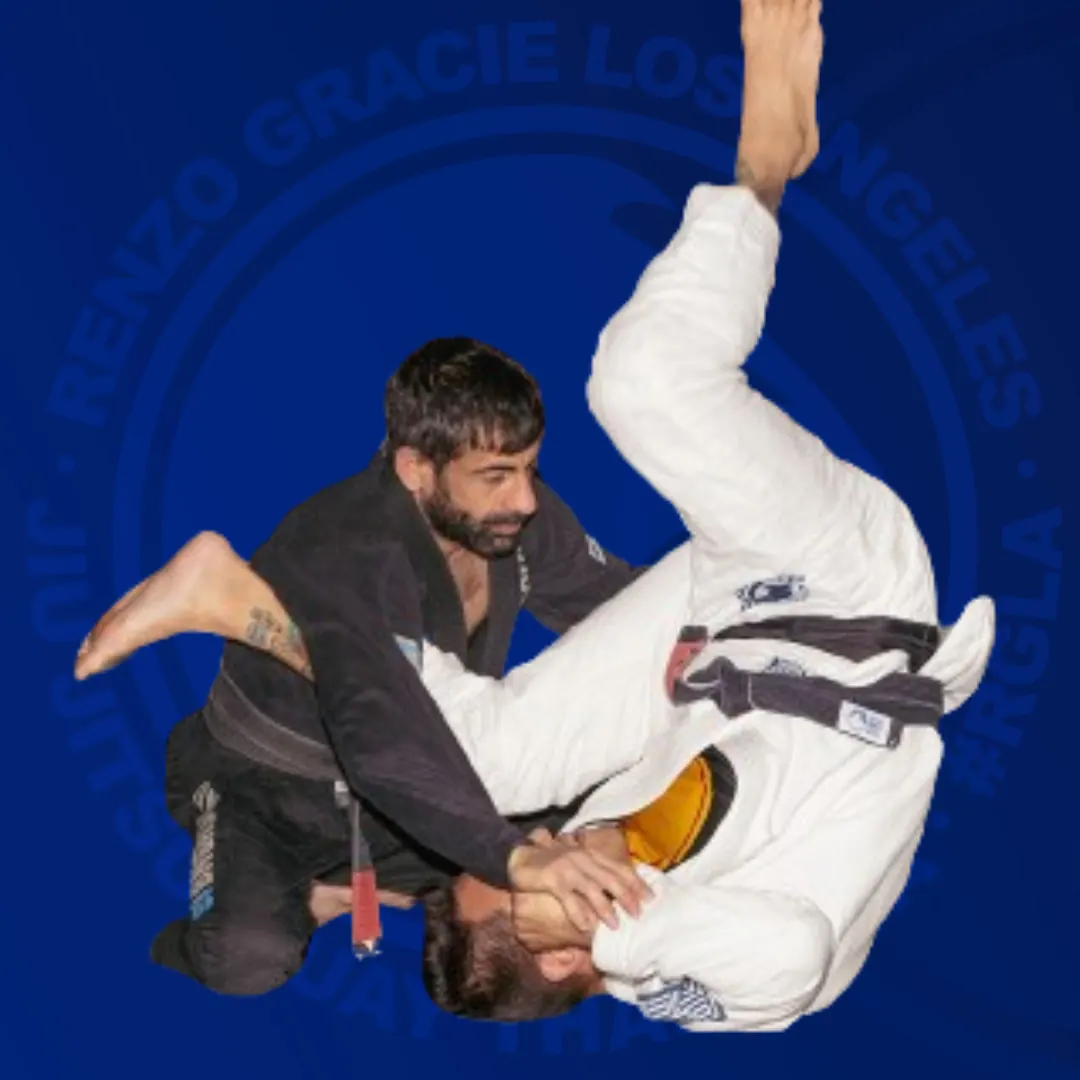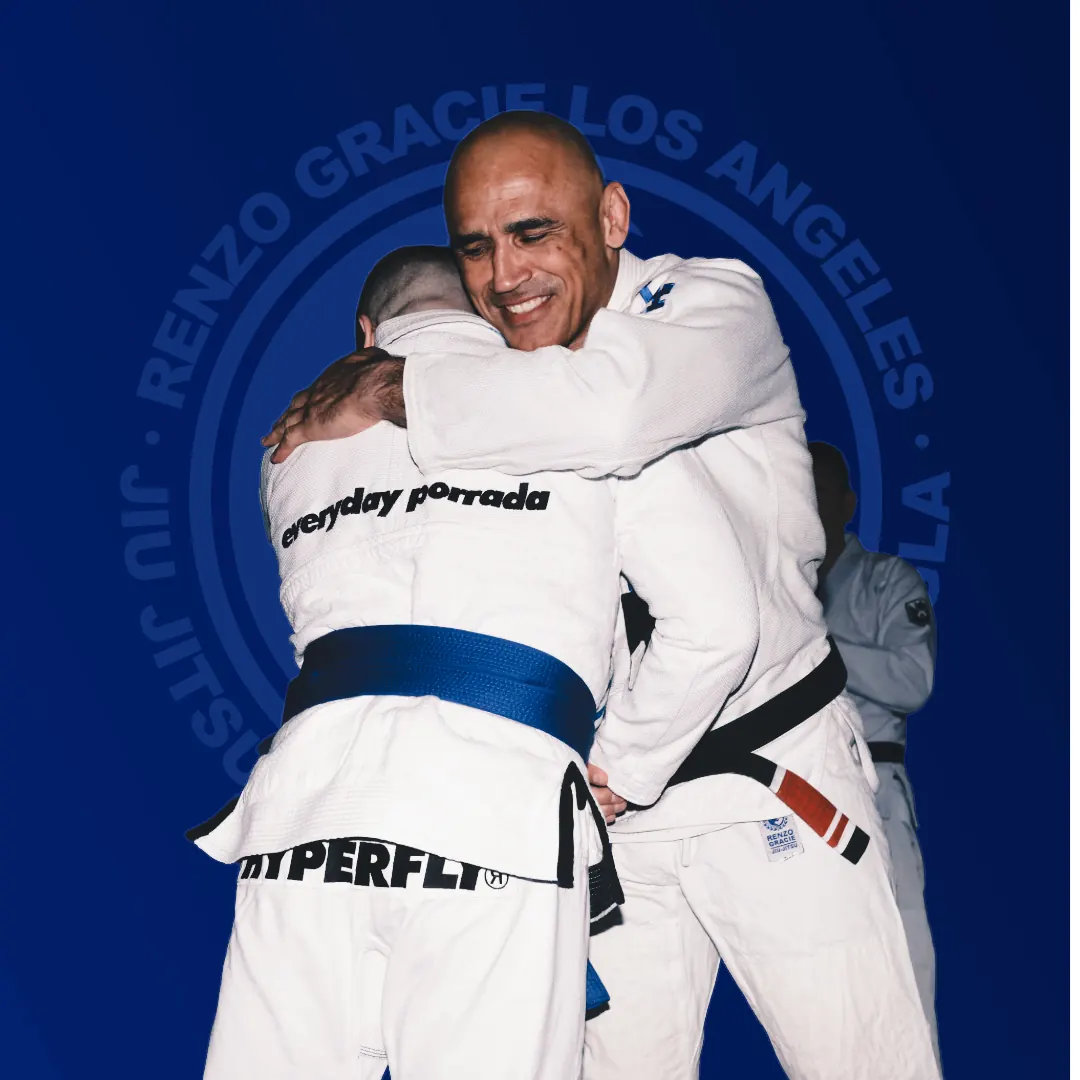

Somebody at the academy said it to you this week. "You should compete." Maybe it was your coach, maybe a training partner after a good round. And your stomach dropped.
You're a white belt, or a newer blue belt. It's not the match you're afraid of. It's losing in front of people. Getting smashed in ninety seconds by some kid who wrestled in high school, then walking back to your team and pretending you're fine.
Here's the part you're not saying out loud: you kind of want to.
Good. Let's talk about what you'd actually get out of it.
Short version: Competing in BJJ shows you which techniques survive adrenaline against someone who doesn't know your game. Nerves are normal and get smaller with reps. A loss is the clearest feedback you'll get in jiu jitsu.
What does competing in BJJ show you that class can't?
Which of your techniques hold up when your heart rate is through the roof and the person across from you has never felt your game before.
In the room, your training partners know you. They know you love the same guard pass, so they defend it half a beat early, and you adjust, and everybody gets a little better. That's good training. It's also a bubble. A stranger from another academy has different grips, a different pace, and no idea what you're about to do. Some of your best moves will work better on them than on anyone at home. Some will fall apart on contact.
That's the feedback loop. One match on a tournament mat tells you more about what's real in your game than a month of open mat. You come home with a list: this held, this didn't, this needs polish. In our experience, most people come back from their first tournament saying the same thing: "I finally know what to work on."
How do you handle nerves before your first BJJ tournament?
You don't get rid of them. You get used to them.
Everybody is nervous. The black belt warming up next to you in the bullpen is nervous. The difference is that they've felt it many times and know it disappears the moment someone grabs their collar. Your first time, it feels like something is wrong with you. Nothing is wrong with you. That's just what adrenaline feels like when it doesn't have a job to do yet.
What we tell our people: warm up until you're sweating, decide your first move before you step on the mat, and breathe out slowly while you wait. Then something unexpected happens in the match, because it always does, and you adapt. That's the mental resilience part. Each tournament you enter, the pressure feels a little smaller and what you can handle gets a little bigger. Where else in your life do you get to practice that on purpose?
Is losing at a BJJ tournament embarrassing?
No. It's information. And it's more honest than anything your training partners will ever tell you.
Not every tournament ends with a medal. Plenty of first tournaments don't. But a loss shows you things training can't: the missed submission, the sweep you didn't see coming, the defense that failed under real pressure. Pull it apart afterward. What position were you in? What grip did you give up? What decision would you change? Fix that one thing, and you come back better than the version of you who won.
The people in your corner don't think less of you. They're thinking about what they'd have done in the same spot. And here's what nobody warns you about: losing on the mat teaches you how to lose everywhere else. A hard week at work, a plan that falls apart, a setback you didn't see coming. You've tapped before and gotten back up. You'll do it again.
Who are you actually competing against?
People just like you, from academies you've never set foot in. And a surprising number of them end up as friends.
Tournaments pull grapplers together from schools all over. You'll warm up next to them, watch their matches, shake hands after yours. Win or lose, there's a bond with someone who signed up for the same scary thing you did and showed up anyway. Some of the best people we know in jiu jitsu, we met across a bracket. That's not a side effect. That's part of the point.
The quiet benefit of competing in BJJ: a date on the calendar
Sign up for a tournament and your training changes overnight. Not because anyone tells you to. Because you now have a deadline.
Without one, it's easy to drift. You come in, you roll, you go home. That's fine, and plenty of people train that way for years and love it. But a date on the calendar gives you a reason to fix the guard retention you've been ignoring, to do the extra round instead of skipping it, to eat like someone with a goal. Winning a match, placing in a bracket, or just performing the way you know you can: whichever goal you pick, it pulls you forward.
And when you hit it? Standing on a podium after months of work is one of the best feelings in this sport. So is walking off the mat without a medal, knowing you left nothing out there. Celebrate both.
Competing in BJJ at Renzo Gracie Los Angeles
Our students have competed and medaled at ADCC, IBJJF, JJWL, NAGA and plenty of other events. Every one of those medals started with someone standing in a bullpen, sweating through their warm-up, wondering why they signed up. If you want to see what it looks like when it goes well, read about the team's 2nd place finish at JJWL Worlds, or Coach Jon's double gold at the IBJJF International Open. Parents wondering whether your kid should compete: we wrote about that separately.
Haven't started jiu jitsu at all yet? That's an easier decision. Your first class is free, no contract. Regular adult BJJ classes run from 7am to 9pm, and nobody's going to make you compete. But a year from now, you might want to.
Questions people ask
Do I need to be a blue belt to compete in BJJ?
No. Most tournaments run white belt divisions, and plenty of people compete within their first year. The better question is whether you've had enough hard rounds to know what adrenaline does to you. Ask your coach. They'll tell you straight.
How long should I train before my first BJJ tournament?
There's no magic number. What we see on the mats: people who train consistently for a few months and know a couple of positions well tend to do fine at white belt. Consistency matters more than time served. Talk to your coach before you sign up.
What if I lose my first match?
Then you'll be in very good company. Plenty of competitors lose early on, and the ones who keep going treat it as information rather than a verdict. Go over the match with your coach the following week, fix one thing, and sign up again.
Do I have to compete to train at Renzo Gracie LA?
No. Plenty of people who train here never compete, and nobody will push you. Competition is one path, not the path. If you're curious, talk to your coach. If you're not, keep rolling. Both are fine with us.