Somebody in your life won't stop talking about jiu jitsu. A coworker who shows up Monday with a bruise on his neck and a grin. A podcast host. Some actor you like. And now the ads are following you around too.
So what's the fuss? Is this a real thing, or a phase, like the year everyone bought a rowing machine?
Fair question. And underneath it there's usually a second one: is this for someone like you, with a desk job, a cranky lower back and zero fight experience?
Short version: Jiu jitsu is growing because it works and you can prove that to yourself in one round, because it fits adults with jobs and bodies that aren't 22 anymore, and because it's the rare sport where a 45-year-old and a 22-year-old train in the same class. At RGLA that growth looks like new No-Gi classes with Professor Ilia, kids programs, and an expanded schedule.
Why is jiu jitsu so popular right now?
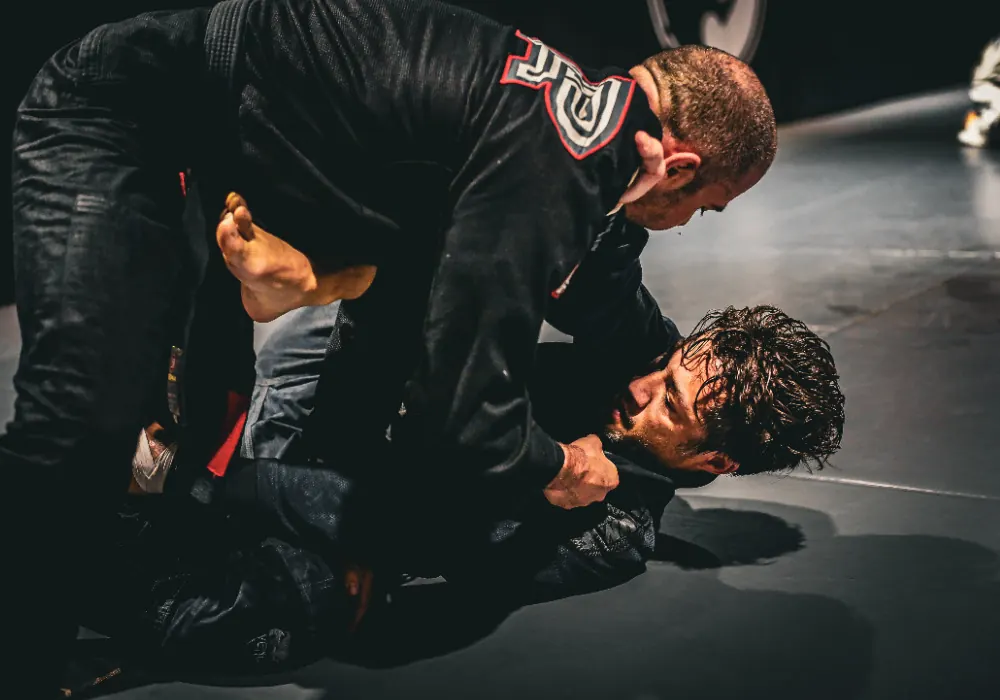
Because it works, and you can test that for yourself, safely, on your first day. Most fitness has to be taken on faith. Jiu jitsu doesn't. You roll with someone smaller than you, they choke you, you tap, and you've just learned something true in about forty seconds.
That live, honest feedback is addictive in a way a treadmill will never be. Every round is a small problem you didn't solve yet. People go home thinking about it. They watch a video at lunch. They come back Wednesday.
Add the fact that you can go hard without getting punched in the face, and you start to see why word spreads. Nobody talks about their elliptical at a dinner party. Everybody talks about jiu jitsu.
Is jiu jitsu really growing, or does it just feel that way?
It's really growing. Academies have opened in cities and small towns across the world, well past Brazil and the coasts. The big tournaments, IBJJF Worlds and ADCC among them, have been drawing record numbers of competitors and spectators, and the local tournaments are packed too.
Then there's streaming. Not long ago, watching a high-level match meant hunting down a grainy upload. Now the biggest events stream live and the highlights are on your phone by dinner. That reach pulled in people who'd never set foot in a martial arts gym: fitness people, professionals, celebrities. Once a few of them started talking, everybody's cousin wanted to try it.
Does hype make a sport good? No. But in this case the hype showed up after the sport had already earned it. That's the difference.
Why is jiu jitsu so popular with adults who have jobs?
Because it scales to your body and your calendar. You don't need to be young, athletic or in shape to start. You need to show up two or three times a week and be willing to tap. The technique does the rest, and it keeps working as you get older, which is not something you can say about most sports.
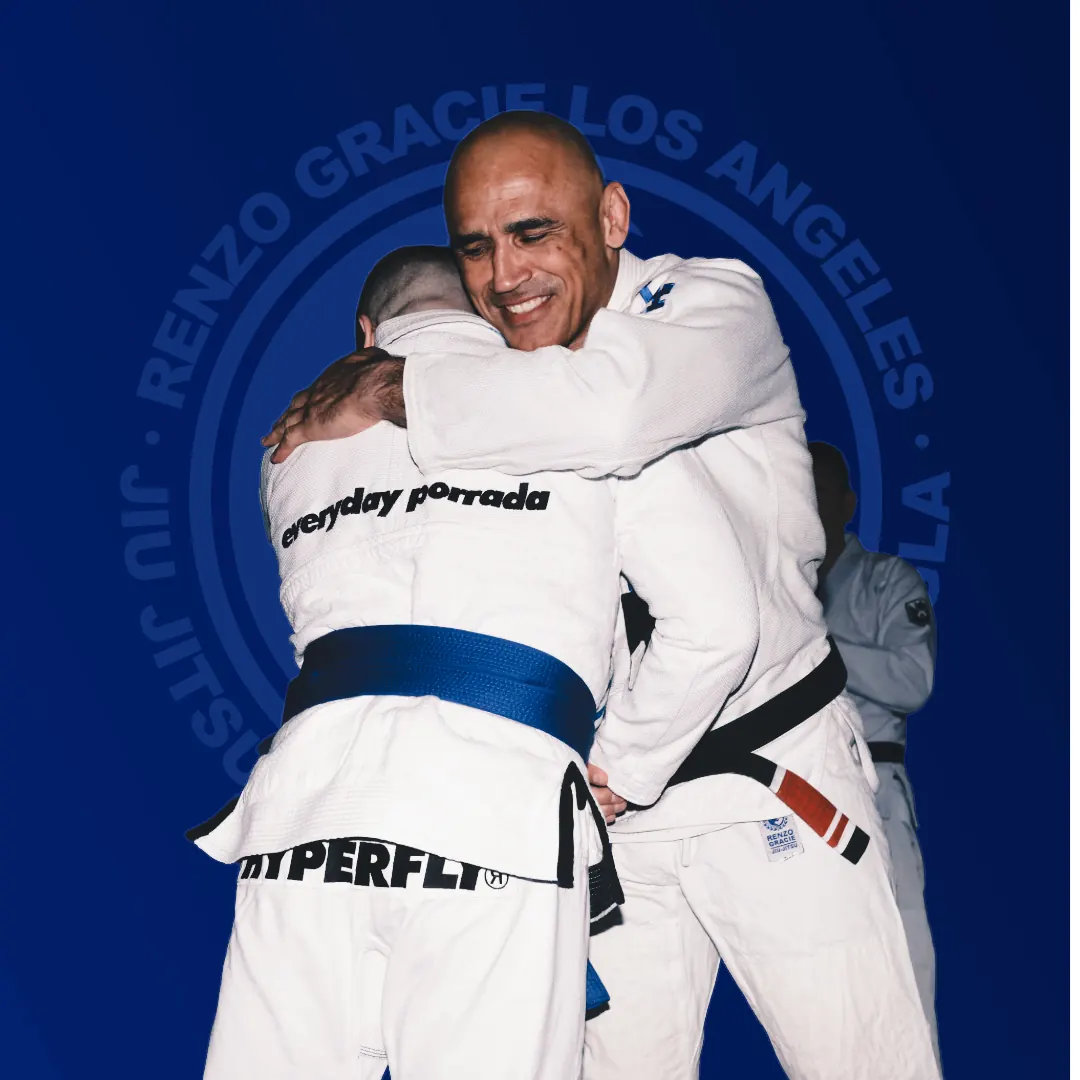
Look around an evening class here and you'll see something like a 45-year-old accountant rolling with a 22-year-old who trains twice a day. Where else does that happen? Not in a pickup basketball game. Not in a running club. On the mat it's normal, and sometimes the 45-year-old is the one on top, because physics doesn't care about your birth certificate.
There's the mental side, too. An hour where you physically cannot think about your inbox does something for you that scrolling never will. Plenty of the adults who walk in here for fitness stay for that. We wrote more about jiu jitsu and stress if that's the part you're curious about.
Who's training now that wasn't ten years ago?
Women, kids, and people over 40, mostly. Those three groups used to be the exception in a jiu jitsu room. Now they're a big part of why the sport keeps growing, and the programs have grown up to meet them.
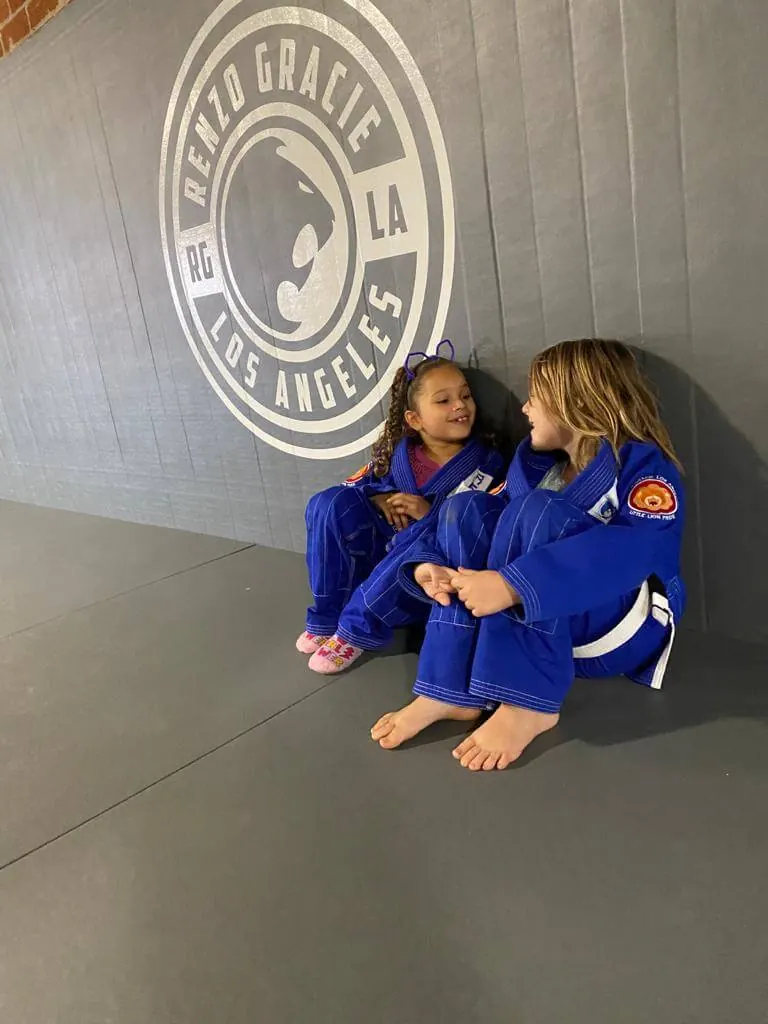
Women's classes and women's open mats have gone from rare to normal across the sport, and we run a Women's Jiu Jitsu class here too. We wrote about why women aren't going anywhere in this sport, and the short answer is that they were always going to be good at it. Kids' classes are booming because parents figured out that a kid who learns to bow, listen, and get back up after losing a round carries that into a classroom.
And older adults? In our experience they're some of the most consistent students in the building. Jiu jitsu keeps them moving, keeps their brain chewing on problems, and gives them a room full of people who'll notice if they miss a week.
What the growth looks like inside RGLA
New faces, mostly. This summer our classes have been filling up with people we hadn't met a few months ago, and it changes the feel of a room in a good way. More white belts means more questions, more energy, and more upper belts remembering what day one felt like.
A few specific things have changed here lately:
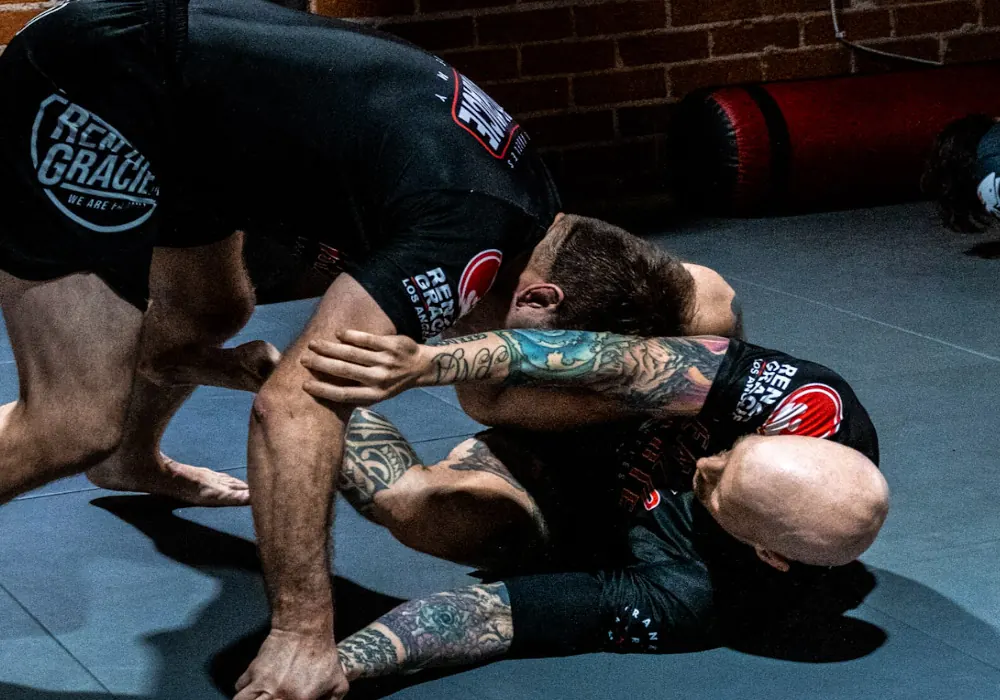
- New No-Gi classes led by Professor Ilia, which have their own buzz. No-gi is faster, sweatier, and closer to what you see at ADCC.
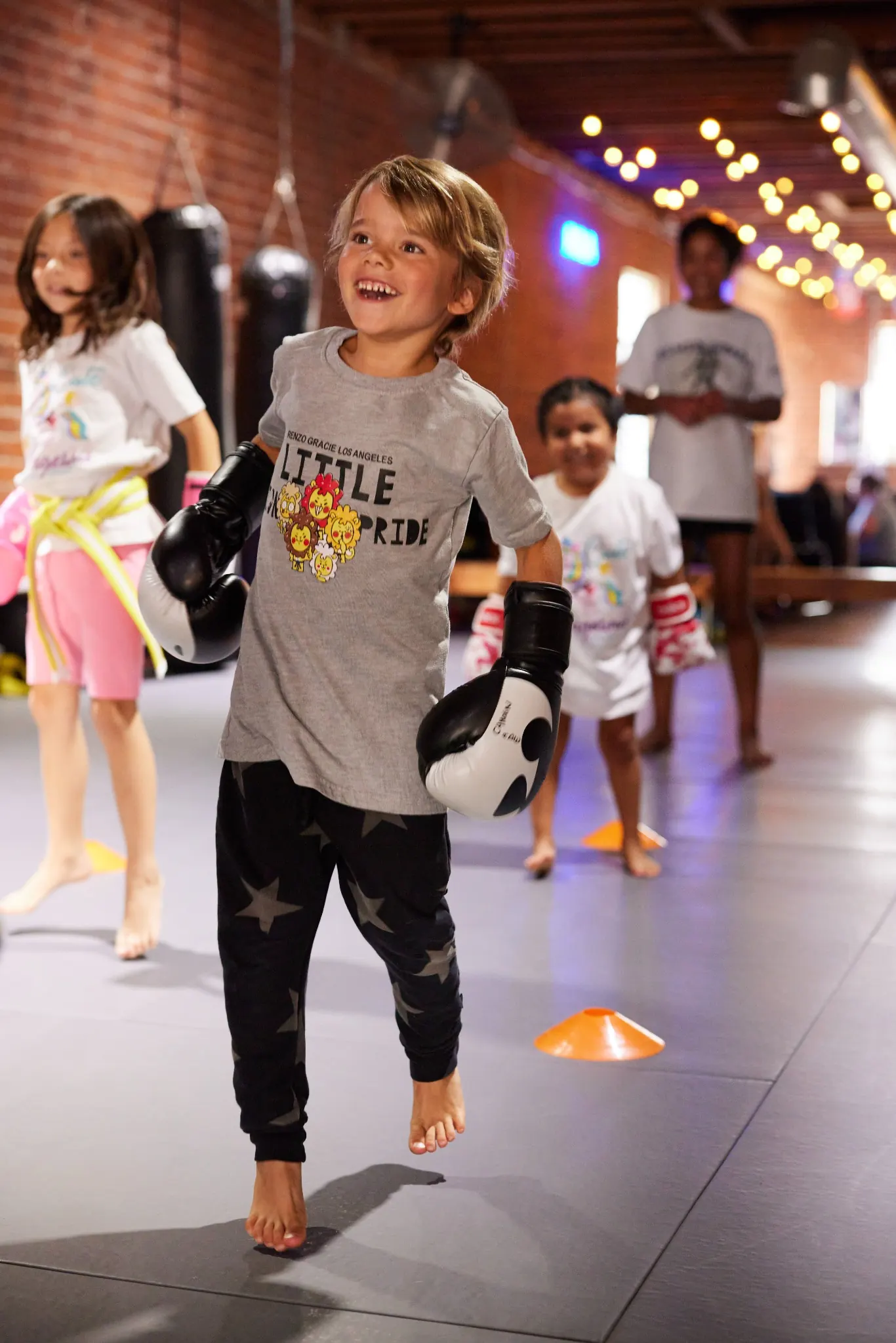
- Kids programs that keep growing, from Little Lions at age five on up.
- A Muay Thai program that's thriving right alongside the jiu jitsu.
- An expanded schedule with more class times to fit more people.
We add classes when the room tells us to. Lately it's been telling us often.
Is BJJ worth it for you?
If you've read this far, probably yes. The people who get the most out of jiu jitsu aren't the athletes. They're the ones who've been curious for two years and are tired of being curious. Out of shape is fine. Nervous is fine. Thirty-eight and never played a sport is fine.
And there's never been a better time. More places to train, more matches to watch, more open mats, and a generation of coaches who remember being scared on day one. The one thing growth doesn't change is that you still have to walk in.
What's it going to cost you to find out? One hour and a little ego. Your first class here is free and there's no contract. You'll drill a technique, you'll probably get tapped by someone half your size, and you'll know by the end whether this is your thing. Pick a day this week, throw a water bottle in a bag, and book your free first class. Come see what your coworker won't shut up about.
Questions people ask
Is jiu jitsu safe for beginners?
Safer than most people expect. Beginner classes are built around drilling with a cooperative partner, and when you do roll, tapping ends it instantly. Bumps and sore fingers happen. In our experience the injuries that matter come from ego, not from the sport, so leave that in the car.
Do I need to be in shape before I start BJJ?
No. Most people who walk in here are out of shape, and jiu jitsu is how they get back in it. Your first few weeks are mostly drilling and learning to breathe. The conditioning shows up on its own once you're training two or three times a week.
What's the difference between gi and no-gi jiu jitsu?
Gi jiu jitsu uses the kimono for grips, chokes and control, so it's slower and more technical. No-gi is done in shorts and a rash guard, which makes it faster and closer to wrestling. At RGLA you can train both; Professor Ilia leads the No-Gi classes.
How many days a week should a beginner train?
Two or three. That's enough to remember what you learned last time and not so much that your body revolts. Once you've got a few months in, add a day if you want it. Consistency beats intensity every time in this sport.
Is BJJ worth it if I'm over 40?
Yes, and some of our most consistent students are. You'll roll smarter, not harder, and pick partners who match your pace. Jiu jitsu rewards patience and technique over athleticism, which is exactly the trade an older body wants to make.