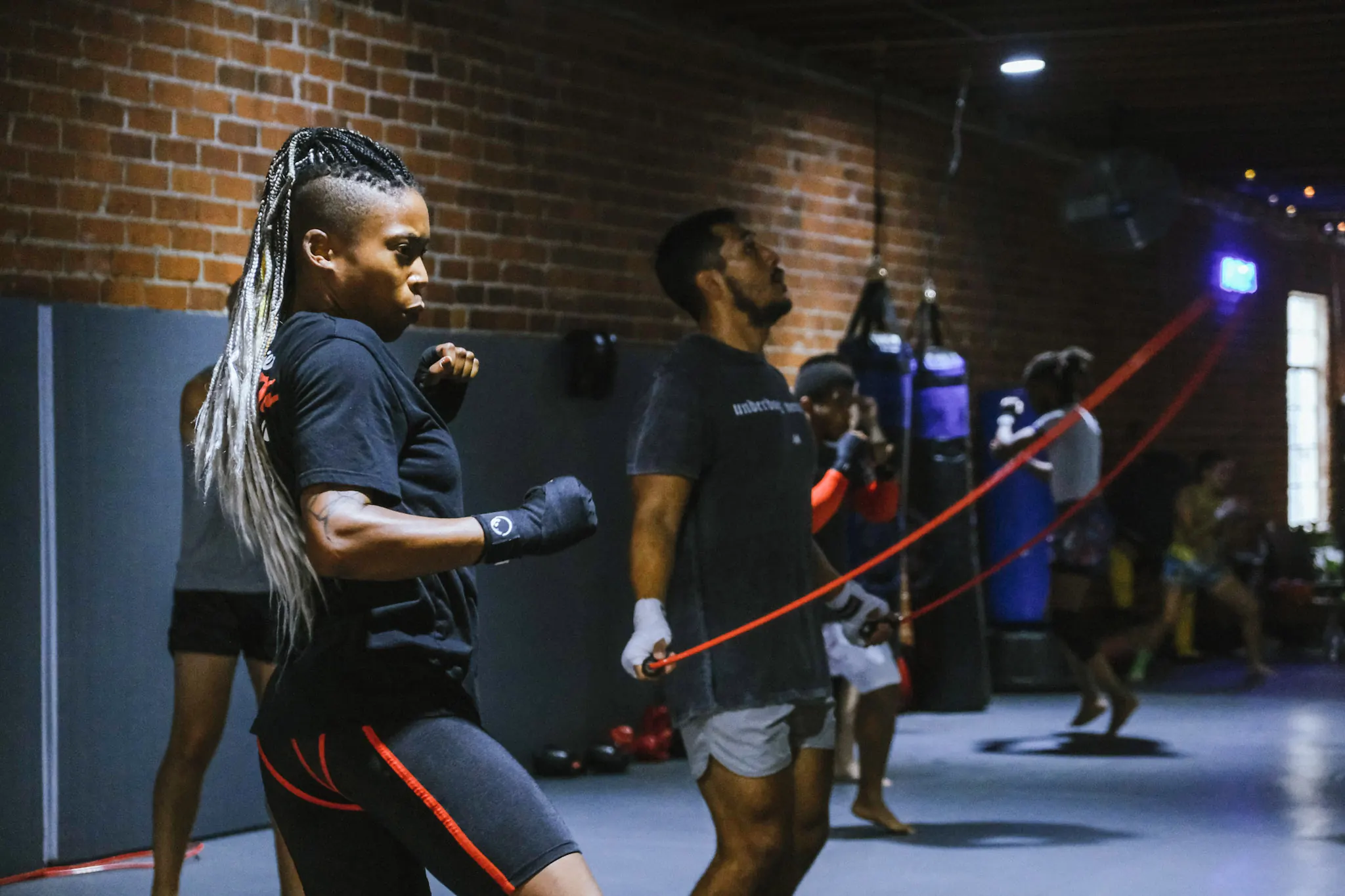
You trained Monday, Tuesday and Wednesday. Thursday morning your neck won't turn all the way, your fingers don't close, and getting out of the car takes a beat longer than it should.
So you do what everyone does. You start listening. And every podcast, every fitness account, every guy at the gym with a ring that tracks his sleep is saying the same thing: cold plunge, sauna, contrast therapy. It fixes everything.
Some of that is true. Some of it is marketing. Here's the honest version from people who train every day and have watched a lot of students use the recovery room at Renzo Gracie LA.
Short version: Cold plunges help most with how sore you feel and how awake you feel afterward. Saunas loosen you up, calm you down, and give your heart and blood vessels a workout that feels like rest. Alternating the two feels great, even if "stacking" is less proven than the hype. At RGLA, the recovery plan is $50 a month for three 15-minute sessions a week.
Does a cold plunge actually help you recover after jiu jitsu?
Yes, mostly in how sore you feel the next day, and that's not nothing. The cold makes your blood vessels clamp down. When you climb out, they open back up, and that rush of fresh blood is the mechanism people point to for flushing out waste and knocking down inflammation.
What we see on the mats matches that. Students who plunge after a hard no-gi class tell us the same two things: they're less beat up on Thursday, and they feel wide awake for about an hour after. Does it make you a better grappler? No. Does it make it easier to show up for the next class? For a lot of people, yes.
One honest caveat. There's a decent argument that icing right after a heavy strength session can blunt some of the muscle-building you were chasing. If you lift, plunge after class instead, or on a different day.
Which cold plunge and sauna benefits are real, and which are hype?
Soreness, circulation and mood are the solid ones. The immune-system claims are where you should raise an eyebrow. Here's how we'd sort the things you'll hear:
- Muscle soreness and inflammation. The strongest case for the cold. You'll feel the difference the day after a hard week, and you'll feel it most when you've been training four or five days straight.
- Circulation. Real, and it's the same clamp-and-release mechanism running in both directions. Not magic. Plumbing.
- Mood and alertness. Real and immediate. The cold-shock hit of endorphins is why grown adults climb out of that tub laughing. Some people also find it takes the edge off stress and anxiety.
- Immune system. Some people report fewer colds once they're plunging regularly. Treat that as a bonus if it happens to you, not a reason to start.
- "Sweating out toxins." Enjoy the sweat. It feels like a reset, and we won't argue with that. The stronger case for the sauna is what it does for your heart and your tight hips, not detox.
Notice what's not on the list? Anything that replaces sleep. If you're plunging on five hours a night, you're polishing the wrong thing. Rest days and sleep do more for your recovery than any tub ever will.
What does the sauna do that the cold plunge doesn't?
The sauna is the relaxation side of the equation, and it's the one with the longer track record for heart health. Heat opens your blood vessels, improves blood flow, and over time is linked to lower blood pressure. It also loosens tight muscles, eases spasms, and takes the edge off sore joints, which is why people with arthritis swear by it.
Most saunas run somewhere between 150°F and 195°F. Ours reaches 150°F, which is plenty. Ten minutes in there after a gi class and you'll feel your lower back and hips finally let go. Why do people with cranky backs practically live in there? That's why.
The endorphin release is real here too. It's just slower and quieter than the cold version. Less gasping, more melting.
Is contrast therapy better than the sauna or the plunge on its own?
It feels better, and there's a reasonable case that alternating heat and cold moves blood around more than either one alone. Just don't expect double the benefit because you did both. The heat relaxes muscles and lowers tension. The cold knocks down soreness and swelling. Together you get a loose body and a clear head, which is a good way to end a training day.
You'll also hear that doing both stimulates the immune system more than either alone. Same answer as above: nice if true. What we can tell you is that most students who try contrast once keep doing it, and it's not because of their white blood cell count.
A simple way to use a 15-minute session: spend most of it in the heat, take a short hit of cold near the end, and if you've got time left, warm back up. Get out of the water once your breathing settles. Staying in until you're shivering hard doesn't earn you extra credit.
When should you use the cold plunge and sauna around training?
After class, not before. Cold water before you roll leaves you stiff and slow, which is a bad way to start a grip fight. A full sauna session before class will have you drained by the second round. Warm up on the mat, train, then recover.
The plunge earns its keep on the hard days: after competition-prep rounds, after a week where you doubled up on Muay Thai and jiu jitsu, or when soreness is stacking up faster than it's clearing. On easy days do you really need it? Probably not. Save it for when you do.
A few common-sense rules. Drink water before and after. Don't sauna hungover or dehydrated. And if you have a heart condition, blood pressure issues, or you're pregnant, talk to your doctor before you start. None of that is legal fine print. It's just how you keep doing this for years.
How the recovery room at RGLA works
The recovery plan is an extra $50 a month on top of your membership, and it gets you three 15-minute sessions a week. The cold plunge is kept in the 30s. The sauna reaches 150°F. That's enough to make a real dent in how you feel between classes without turning recovery into a second workout.
Before your first session, read the recovery room rules. They're short, and they exist so the room stays clean and nobody hogs the tub. If you're not a member yet and want to know what's included, our membership options are all in one place.
Sore is normal. Wrecked is optional.
Here's the thing nobody says on the podcasts: the people who get the most out of a cold plunge are the ones who earned the soreness. If you're training three or four days a week and your body is asking for help, the recovery room is a smart way to answer it. If you're not training yet, it's just a cold bath.
So start with the training. Already a member? Ask the front desk about adding the recovery plan. Not a member? Book a free first class, roll a few rounds, and then decide whether you want the tub. You'll know by Thursday.
Questions people ask
How long should you stay in the cold plunge after training?
Keep it short. Get in, control your breathing, and get out once your breath settles and before you start shivering hard. Longer isn't better. Sessions in the RGLA recovery room are 15 minutes total, which is plenty for time in the sauna and a cold finish.
Should I use the cold plunge before or after jiu jitsu class?
After. If you plunge before class you'll start your first round stiff and slow, and nobody needs that while someone is passing their guard. Use it after hard rounds, when you're hot and sore. Warm-ups happen on the mat, not in the sauna.
How much does the cold plunge and sauna cost at Renzo Gracie LA?
It's a $50-a-month add-on to your membership for three 15-minute sessions a week. The plunge is kept in the 30s and the sauna tops out at 150°F. Read the recovery room rules before your first session so you know how the room runs.
Is the sauna safe if I'm not in great shape?
For most healthy adults, yes, as long as you drink water, keep sessions short, and get out if you feel dizzy. If you have a heart condition, blood pressure issues, or you're pregnant, check with your doctor first. Start with less time than you think you need.